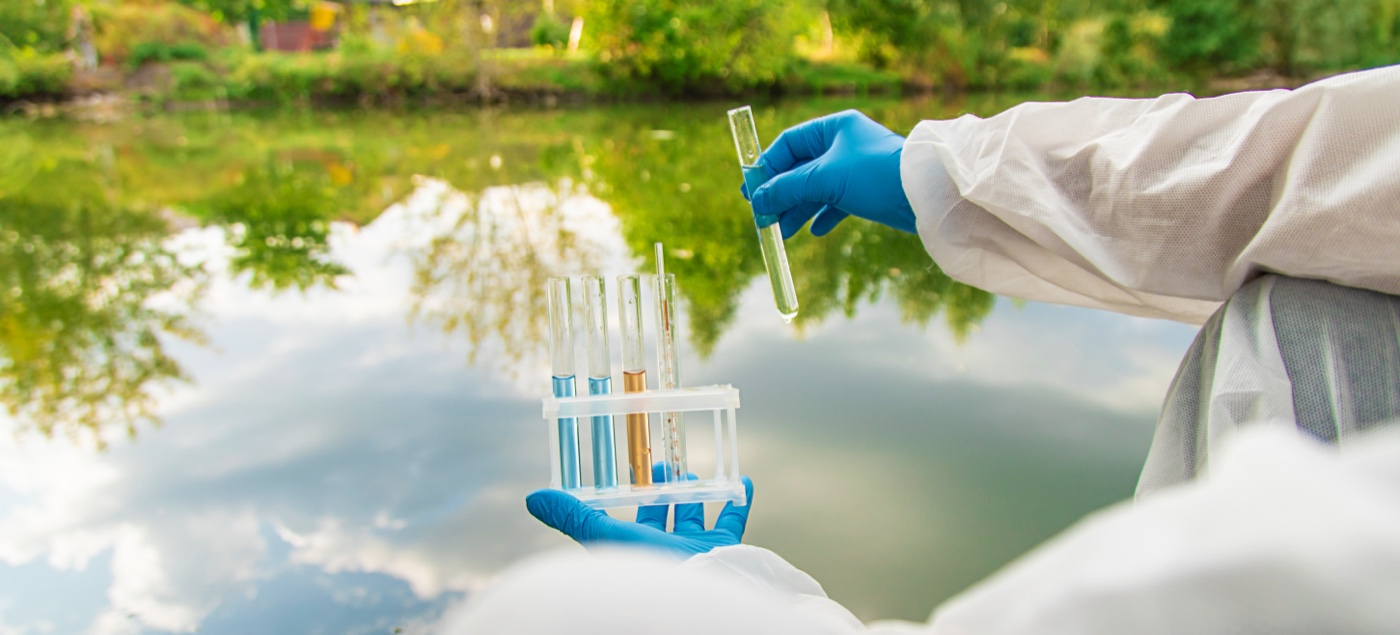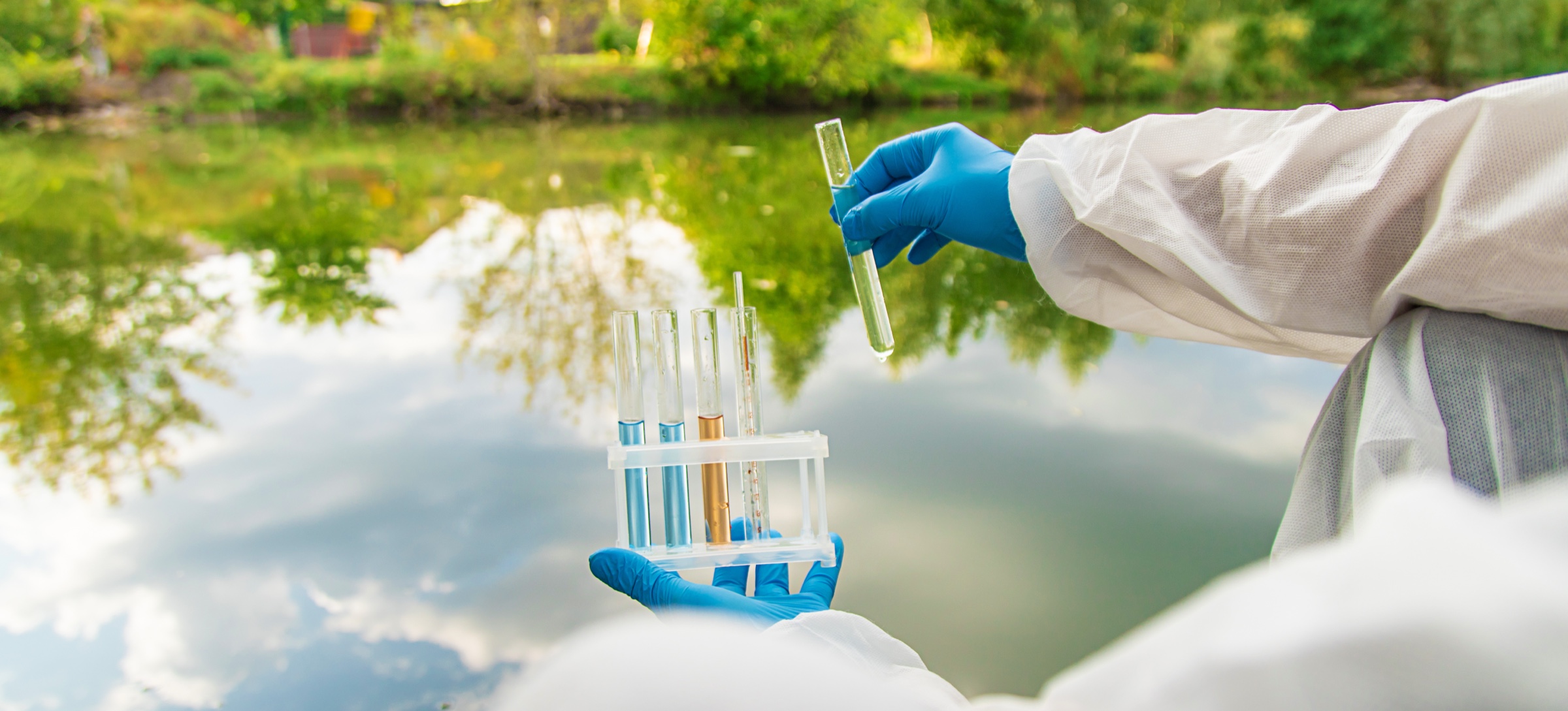
Water sample tubes held up against a green riverside
Water testing

Water changes with the season. Test it like it does.

Bore, dam, creek, tank or reuse line — the useful question is usually not 'is it clean' but 'is it suitable for this, at this time of year'. Sampling once tells you about one day. We will help you plan what is worth repeating.

What we can run

Three groups. Tap for the full list.

Before you collect

Collecting water that still represents the source

Water samples degrade. The gap between collection and analysis is where most of the error creeps in.

01

Use the bottle we send for the test

Some analyses need a preserved or acid-washed bottle. Do not rinse a pre-preserved bottle — the preservative is already in it.

02

Rinse three times where the bottle is plain

Rinse with the water you are about to sample, then fill. Cap under the surface where you can.

03

Purge a bore before you sample

Run it until temperature and EC stabilise, or three casing volumes. Otherwise you are sampling the pipe, not the aquifer.

04

Leave no headspace for dissolved analyses

Fill to the brim and cap it. Air in the bottle changes dissolved gases, metals and some nutrients.

05

Chill immediately

Esky and ice bricks, not frozen, straight after collection. Keep it near 4 °C and out of the sun.

06

Deliver inside the holding time

Microbial tests are the tightest. Confirm the window with us before you collect so the trip is not wasted.

Swipe →

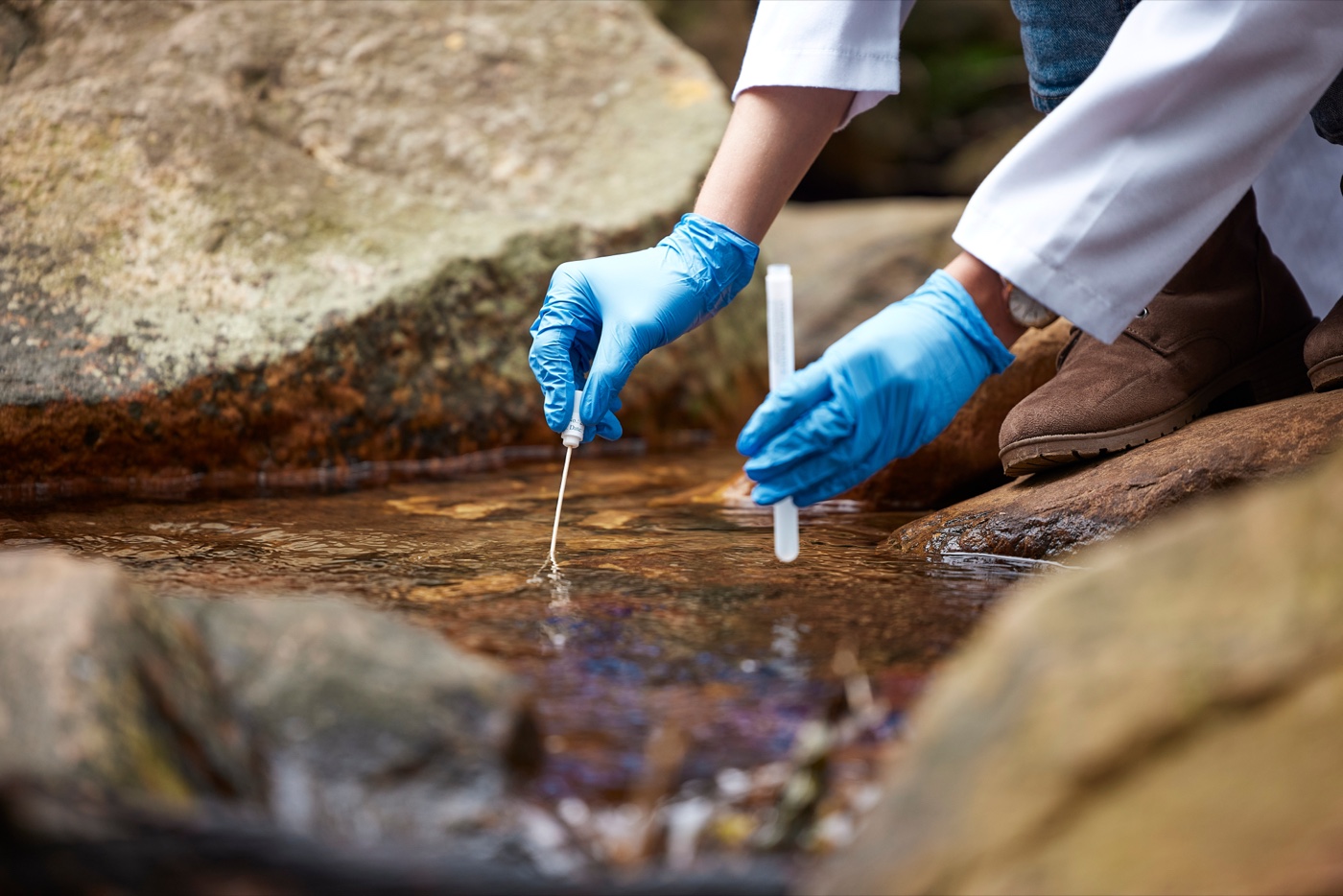
Scientist sampling water from a rocky stream
Start here

Tell us the source.

Bore, dam, creek, tank or reuse line — and what it has to be good enough for.

Start an enquiry