Results and methods
Every parameter reported with its method and units, so another laboratory or consultant can read it without calling us first.
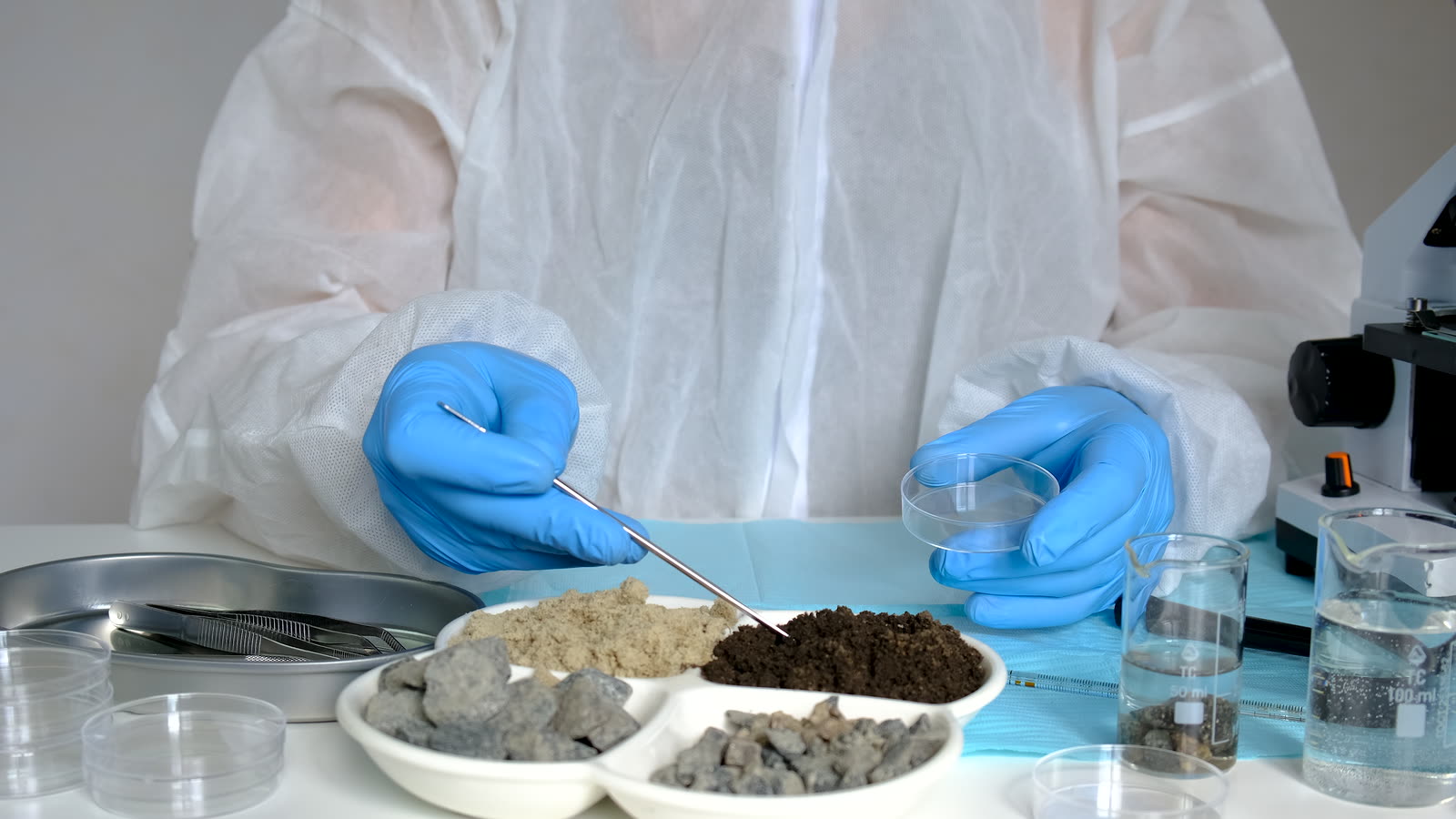
A result is only as good as the sample it came from and the question it was asked to answer. Here is the sequence we hold to, every job.
Tell us the site, the sample type and the decision the result has to support. A paragraph is usually enough to start.
We confirm parameters, methods, container type, sample numbers and anything your reporting obligation requires — before you go to site.
You sample to the plan, or we work through it with whoever is doing the collection. Containers, labelling and handling are agreed in writing.
Samples are received, logged and run. If something arrives compromised — broken, warm, outside holding time — you hear about it that day, not in the report.
We walk you through what the numbers mean for your site, what they do not mean, and what would be worth repeating.
You do not need all of it to start the conversation. But the more of this you can tell us up front, the closer the first reply is to a real scope rather than a set of questions.
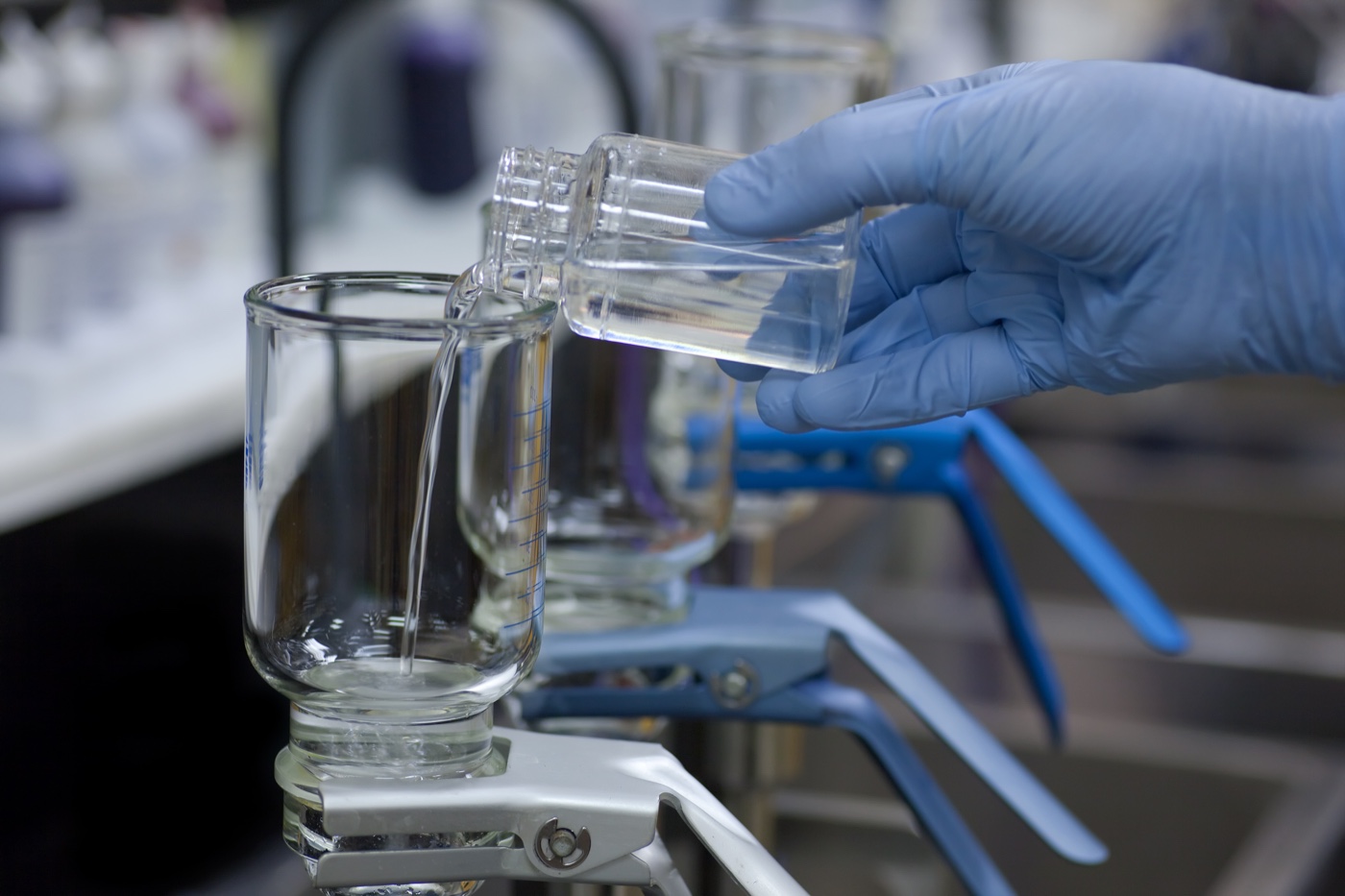
Numbers alone rarely settle anything. The report gives you the result and the method behind it; the conversation afterwards is where it becomes a decision — and that is part of the job, not an add-on.
Every parameter reported with its method and units, so another laboratory or consultant can read it without calling us first.
If something lands broken, warm or outside its holding time you hear that day, with what it means and whether re-sampling is worth it.
What the numbers mean for the species, the season and the preparation you are planning — including, where it applies, that nothing needs to change.
It depends on how variable the site is, not how big it is. A uniform twenty hectare paddock might need two composite samples; a rehabilitated site with three different fill sources needs at least one per source. Tell us what you are working with and we will suggest a number.
It is better not to. Some analyses need a particular container, preservation or holding time, so the choice of test has to come before collection. A short conversation first saves the trip.
Both. The report gives you the numbers and the methods; the conversation afterwards is where we work through what they mean for your site. That is included.
Often, yes — as a baseline. Send it through with your enquiry. Comparing against previous results usually narrows what we need to run this time.
Talk to us. Sample transport and holding times are the limiting factor, not the border.
No obligation and no account needed to ask. If a cheaper suite answers your question, we will tell you that instead.
From a question to a number you can act on.
A result is only as good as the sample it came from and the question it was asked to answer.
Tell us the site, the sample type and the decision the result has to support. A paragraph is usually enough to start.
We confirm parameters, methods, container type, sample numbers and anything your reporting obligation requires — before you go to site.
You sample to the plan, or we work through it with whoever is doing the collection. Containers, labelling and handling are agreed in writing.
Samples are received, logged and run. If something arrives compromised — broken, warm, outside holding time — you hear about it that day, not in the report.
We walk you through what the numbers mean for your site, what they do not mean, and what would be worth repeating.
You do not need all of it to start — but the more you send, the closer the first reply is to a real scope.
No account and no obligation. If a cheaper suite answers your question, we will say so.
Start an enquiry